
Top 10 Fixed vs Portable Gas Detectors Which Is Better?
Table of Contents
“Accidents are not due to lack of knowledge but failure to use the knowledge that is available.” Process safety authority Trevor Kletz’s reminder applies to gas detection, too. A detector must suit the hazard, the location, and the way people work. No device can compensate for a poor plan.
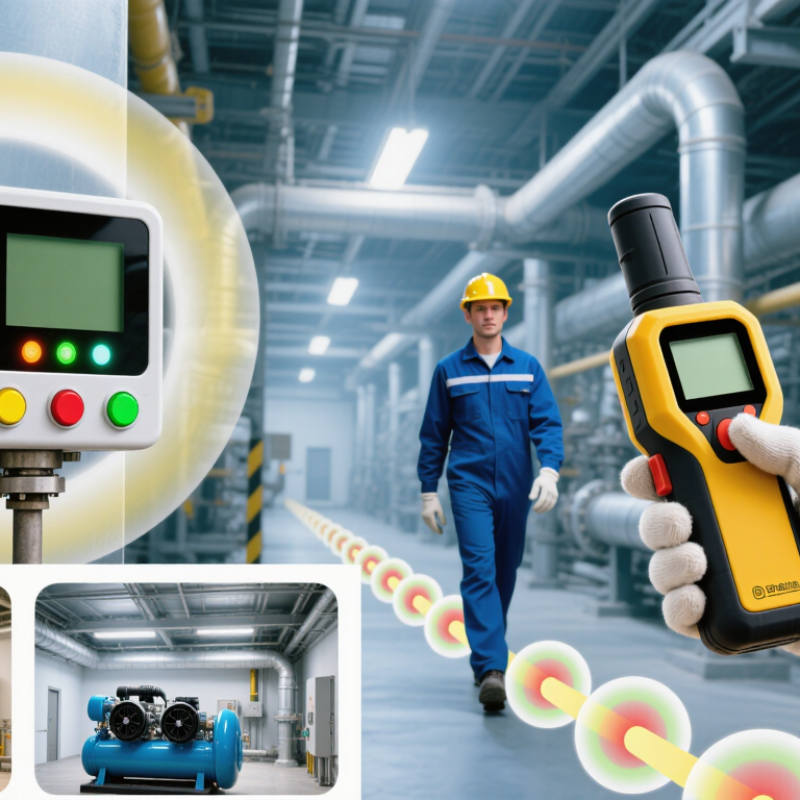
Fixed Vs Portable Gas Detectors serve different purposes. A fixed detector can continuously monitor a defined area, such as a compressor room, loading bay, or plant corridor. Portable units travel with workers, helping check conditions near equipment or during changing tasks. One watches a place. The other moves with a person. That distinction matters.
But it is not always that simple. Fixed systems need suitable placement, calibration, maintenance, and a response plan. Portable detectors need checks, charging or battery management, and consistent use. Those routine details are easy to overlook. They can also shape whether a detector is useful when conditions change.
This guide compares ten fixed and portable gas detectors by application, coverage, mobility, upkeep, and practical limitations. It is not a substitute for a site-specific hazard assessment or manufacturer guidance. The “better” choice depends on what must be detected and where exposure could occur. Sometimes both types make sense. Sometimes neither option is right without more information. That uncertainty deserves attention, not a quick ranking.
How Fixed and Portable Gas Detectors Work
Fixed gas detectors are installed at selected points and monitor continuously.
Gas reaches the sensor by diffusion or through a sample line drawn into the instrument. The sensor changes its response when it encounters a target gas. A transmitter converts that response into a reading, often sent to a control panel. Some sensors use electrochemical reactions for toxic gases, while infrared sensors can detect certain combustible gases. Placement matters: a sensor near a ceiling may miss a heavier gas collecting near floor level. Fixed systems offer steady coverage, but they only measure where their sensors are installed. Small detail, big consequence.
Portable detectors work while carried by a worker or inspector.
Many use diffusion, letting surrounding air reach the sensor through openings in the case. Pumped models pull air through a probe and tubing, which helps check a tank opening or confined space before entry. The display may show a gas concentration, while lights, sound, or vibration warn the user when readings cross set limits. Tubing can delay a reading, especially if it is long or kinked. Not instant.
Both types need suitable calibration and routine function checks, such as a bump test, according to the manufacturer’s instructions. A technically sound detector can still give misleading confidence if its gas target, location, or maintenance schedule does not match the actual hazard.
Key Differences in Coverage, Mobility, and Monitoring
Fixed gas detectors suit places where hazards may appear in the same locations, such as a pump room or loading bay. Sensors can monitor continuously and send alarms to a panel, depending on the system design. Coverage depends on placement, airflow, gas behavior, and sensor type; one unit cannot reliably watch every corner. A ventilation duct can shift a gas cloud away from a poorly placed sensor. Site assessments matter.
Portable detectors travel with workers, making them useful during inspections, maintenance, or changing tasks. A technician can check a valve area, then move to another work zone. That mobility offers flexible coverage, but it does not guarantee continuous protection for every worker or location. Not always. Wear position, battery condition, and correct sensor selection affect readings. Follow the device instructions for bump tests and calibration.
Monitoring also differs. Fixed systems can support centralized alarms and ongoing records when configured for them. Portable units typically show readings at the worker’s location; data logging varies by model. In practice, a facility may use both: fixed sensors for persistent risks and portable units for moving work. The combination needs planning, too. It is easy to assume more detectors mean better coverage, yet gaps can remain if alarm response, maintenance, or placement is overlooked. A written site plan helps connect readings to clear actions.
Top 10 Gas Detector Types Compared by Use and Features
Gas detectors differ by where they operate and how they sense a hazard. Fixed-point detectors stay near likely leak sources, such as a valve or pump. They provide continuous readings, but only cover their installed locations. Portable single-gas units are compact and useful for checking one known risk. Portable multi-gas meters can monitor several hazards during entry or maintenance. Personal monitors are worn near the breathing zone. They travel with the worker, though placement and alarm response still matter.
Area monitors protect a temporary work zone, such as a marked perimeter around a repair site. Open-path detectors measure gas across a beam between two points, making them useful for broad outdoor coverage. Fog, dust, or blocked paths can affect readings. Ultrasonic leak detectors listen for the sound of pressurized gas escaping. They can help locate leaks quickly, but do not identify every gas concentration. A quiet leak may be missed.
The sensing method also changes performance. Catalytic-bead sensors detect combustible gases, but oxygen levels and sensor poisons can affect their response. Electrochemical sensors are commonly selected for toxic gases and oxygen measurements; each sensor is usually gas-specific. Infrared point detectors measure certain gases without consuming the sensing element, but they do not detect every combustible gas. These ten types are not fully separate categories: a portable multi-gas meter may use several sensor technologies. That overlap can make comparisons less tidy than a product chart suggests. Choose by gas, location, response needs, and maintenance conditions.
How to Choose a Detector for Your Site and Safety Needs
Choosing between fixed and portable gas detectors starts with the hazards and work patterns at your site. A fixed detector monitors a set location, such as a pump room or loading area, and can provide continuous warning. It suits spaces where gas may accumulate while staff are elsewhere. A portable detector travels with workers and checks changing work areas, including maintenance zones and confined spaces. It helps when exposure risks move with the job. Neither type covers every need.
Look at the gases present, likely leak points, ventilation, and how quickly workers can respond to an alarm. Fixed systems need careful sensor placement, routine testing, and a plan for power or communication failures. Portable units need charged batteries, bump tests, and calibration according to the maker’s instructions. Check that the detector is suitable for the target gases and the site conditions. A sensor in the wrong place can create false confidence. I have seen planning focus on purchase price and overlook who will maintain the equipment.
Tips: Map likely leak points before selecting locations. Match portable units to each task, and confirm workers know how to interpret alarms. Review coverage after equipment or workflows change. Small changes matter. A practical site may need both fixed monitoring and portable checks, but the final setup should follow a documented risk assessment.
| Comparison Factor | Fixed Gas Detectors | Portable Gas Detectors | How to Choose |
|---|---|---|---|
| 1. Primary purpose | Provide continuous monitoring at selected, permanently installed locations. | Monitor the atmosphere around a worker or in a temporary work area. | Choose fixed units for ongoing site coverage and portable units for worker mobility or temporary tasks. |
| 2. Coverage area | Cover specific points; coverage depends on detector placement, gas behavior, airflow, and site layout. | Cover the area immediately around the user, or a sampled location when used with a suitable sampling arrangement. | Neither type automatically monitors an entire facility. Base placement and use on a gas-risk assessment. |
| 3. Mobility | Installed in a fixed position and generally not intended to move with workers. | Designed to be carried or worn, allowing monitoring as workers move between locations. | For changing work locations, select portable units; for stable process areas, consider fixed points. |
| 4. Typical applications | Process areas, equipment rooms, loading areas, and other locations with recurring or continuous hazards. | Personal monitoring, confined-space entry, maintenance, inspection, and other temporary or mobile work. | Match the detector type to the task, exposure route, and duration of the hazard. |
| 5. Gas and sensor options | Sensor selection depends on the target gas and the required measurement range; systems may use multiple detection points. | Available with sensors for specific gases; some instruments can monitor several gases at once. | Confirm the target gases, expected concentrations, sensor limitations, and any cross-sensitivity concerns. |
| 6. Power and installation | Usually require a suitable power supply, mounting, wiring, and connection to local or control-room alarms. | Use an internal battery and require charging or battery replacement according to the manufacturer’s instructions. | Consider site infrastructure for fixed systems and battery life, charging access, and shift length for portable units. |
| 7. Alerts and response | Can provide alarms at the detector and, when configured, send signals to a control or alarm system. | Typically alert the wearer with audible, visual, and/or vibration alarms; available features vary by model. | Ensure alerts are noticeable in the work environment and that staff know the required response. |
| 8. Calibration and checks | Require planned inspection, functional checks, and calibration at intervals set by the manufacturer and site program. | Require pre-use checks and scheduled bump testing or calibration as specified by the manufacturer and applicable procedures. | Include people, procedures, test gas, and records in the maintenance plan; requirements vary by sensor and application. |
| 9. Main limitations | May miss a hazard that occurs outside monitored points or when placement does not reflect actual gas movement. | Only monitor where the instrument is carried or where a sample is taken; use depends on the device being available and functioning. | Use detector placement and worker practices to address blind spots; one detector type may not meet every site need. |
| 10. Best-fit choice | Best suited to continuous monitoring of known, recurring risk locations where a permanent installation is practical. | Best suited to mobile workers, changing conditions, temporary jobs, and checks before or during specific tasks. | Many sites use both: fixed detectors for selected permanent locations and portable detectors for personal or task-based monitoring. |
| Selection note: Choose equipment through a documented hazard assessment. Verify that the instrument is suitable for the target gas, environment, measurement range, and intended use; follow its operating and maintenance instructions and applicable safety requirements. | |||
Common Limitations and Maintenance Requirements of Each Type
Fixed gas detectors monitor chosen areas continuously, which helps reveal leaks near process equipment or enclosed rooms. Their limitations are easy to overlook. A sensor can miss a hazard outside its coverage, and dust, humidity, vibration, or chemical exposure may affect readings. Wiring, power supplies, alarms, and sensor placement also need regular inspection. Calibration takes planning, and maintenance may require access to awkward locations. Fixed does not mean maintenance-free.
Portable detectors move with workers and can check changing work areas. But battery life limits operating time, and a device left charging cannot monitor a worker. Sensors may drift or become blocked, while poor sampling technique can produce misleading readings. A portable unit also cannot provide unattended coverage across an entire facility. I have seen teams focus on the display and forget the inlet. That small oversight matters.
Tips: Follow the detector’s maintenance schedule and record each check. Test portable units before use, confirm charge, and keep sensor openings clear. For fixed systems, inspect alarms and power connections, then review whether sensor locations still match current work patterns. Calibration intervals should reflect manufacturer guidance and site conditions.
Top 10 Fixed vs Portable Gas Detectors: Which Is Better?
Common limitations and maintenance requirements of each type
Ratings show typical application fit on a qualitative 1–5 scale, not measured performance; actual suitability depends on the detector, site design, gases, and procedures. Fixed detectors suit continuous monitoring of known locations but require installation and site-level servicing. Portable detectors support personal monitoring and changing work locations, but depend on correct use and regular user checks. Both types need appropriate functional testing and calibration; follow the manufacturer’s instructions and applicable site requirements, since service intervals vary.
FAQS
It monitors a steady location, such as a pump room or loading bay. It can provide continuous readings when properly configured. Placement still matters.
They travel with workers during inspections, repairs, or changing tasks. A technician can check a valve area, then move elsewhere. Coverage is not continuous everywhere.
Yes. Fixed sensors can monitor persistent risks, while portable units support moving work. The combination needs a clear site plan and alarm response.
Sensor placement, airflow, gas type, battery condition, and wear position can all matter. A ventilation duct may shift gas away from a sensor. Easy to overlook.
A single-gas unit checks one selected hazard. A multi-gas meter can monitor several hazards during maintenance or entry work. Match the sensors to the task.
Area monitors cover temporary zones, such as a repair perimeter. Open-path detectors measure gas along a beam between two points. Fog, dust, or obstructions can affect readings.
No. Sensor technologies suit different gases and conditions. For example, some combustible-gas sensors can be affected by low oxygen or sensor poisons. No sensor does everything.
Follow device instructions for testing and calibration. Portable units also need charged batteries. Fixed systems need routine checks and plans for power or communication failures.
Map likely leak points, review airflow, and consider how quickly workers can respond to alarms. Recheck coverage after workflow changes. I might still miss a gap.
Conclusion
Fixed Vs Portable Gas Detectors differ mainly in how they protect people and places. Fixed detectors are installed at selected locations and provide continuous monitoring, making them useful for watching known hazards across a site. Portable detectors travel with workers, helping check changing work areas and monitor conditions close to the user. The article compares ten common detector types by their intended uses, coverage, mobility, monitoring approach, and key features, showing why neither option is best for every situation.
Choosing a detector depends on the gases of concern, site layout, potential exposure points, and whether monitoring must be continuous or mobile. Some sites may benefit from using both types: fixed units for ongoing area coverage and portable units for personal checks or temporary tasks. Each also has limitations, including restricted coverage or mobility, and requires appropriate inspection, calibration, upkeep, and attention to operating conditions. Matching the detector to the actual safety needs helps support reliable monitoring over time.

Blog Tags: