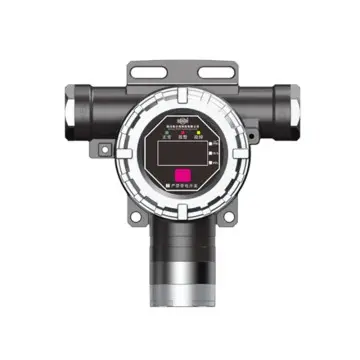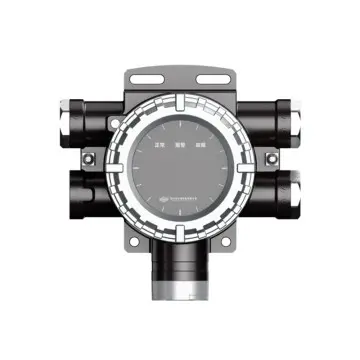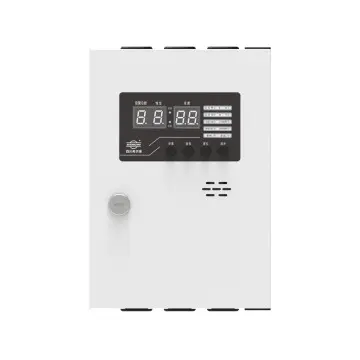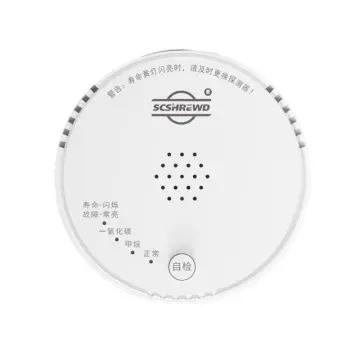
Gas Detector & Solenoid Shut-off Valve Manufacturer for Residential, Commercial and Industrial Gas Safety
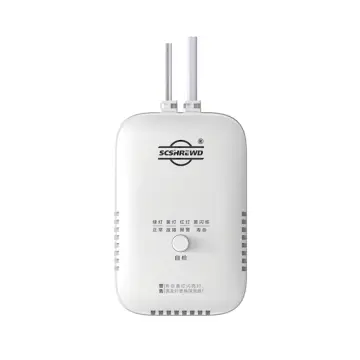
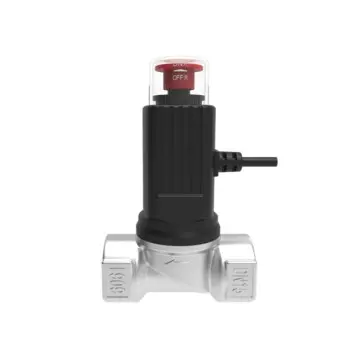
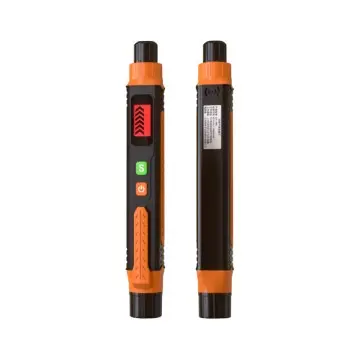
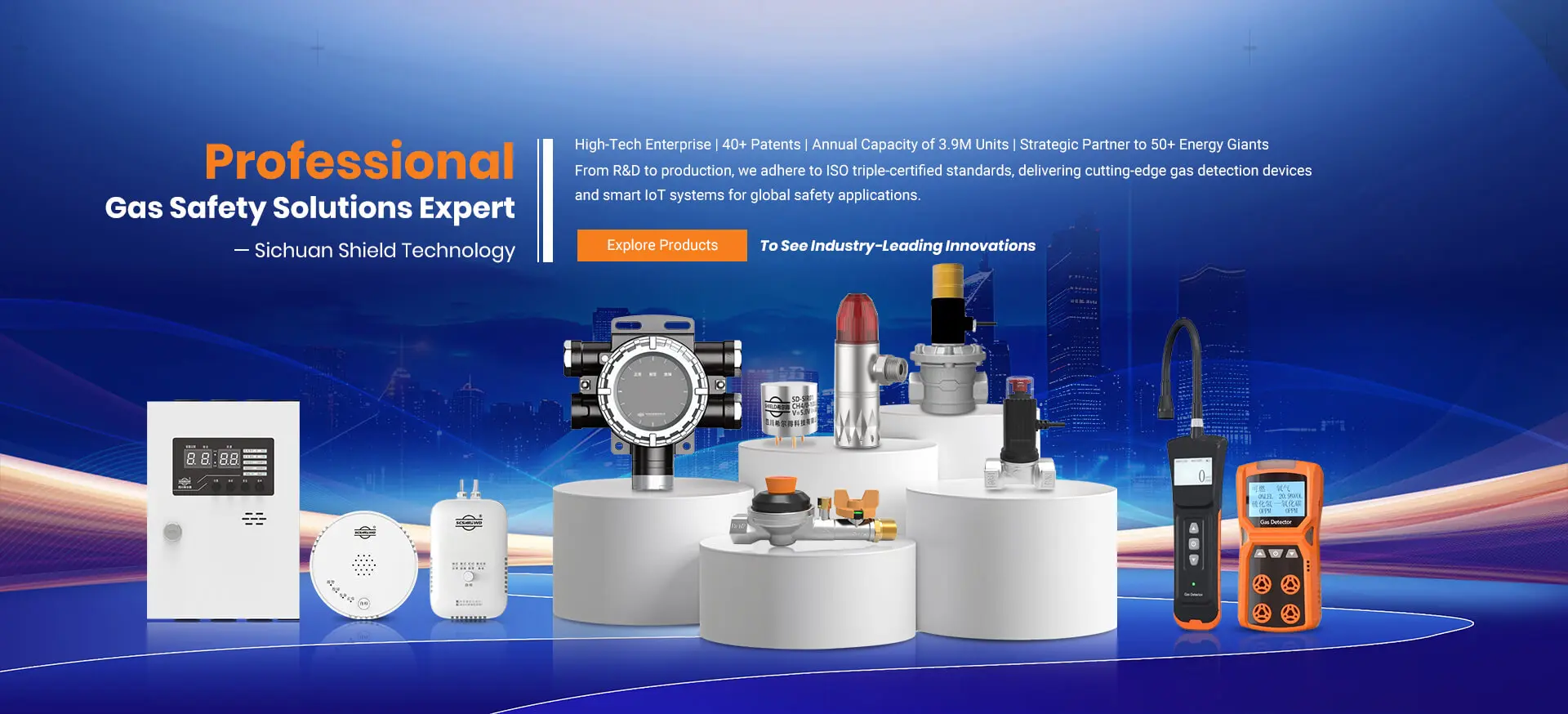
Shield designs and builds the complete gas-safety chain in-house — household and point-type combustible gas detectors, portable instruments, gas alarm controllers and emergency shut-off valves. Distributors, gas utilities, EPC contractors and OEM brands in global markets rely on our 80+ product models to detect leaks early and isolate the gas supply before a leak becomes an incident.
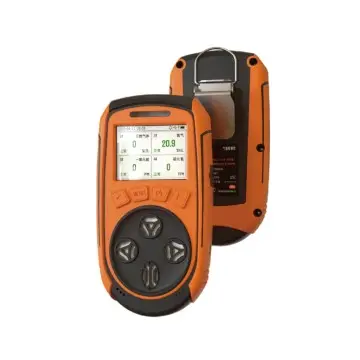
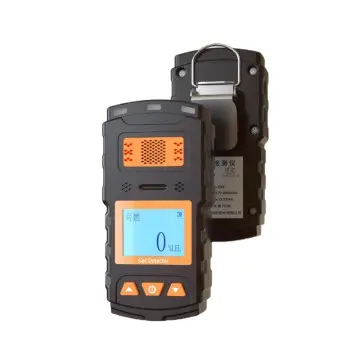
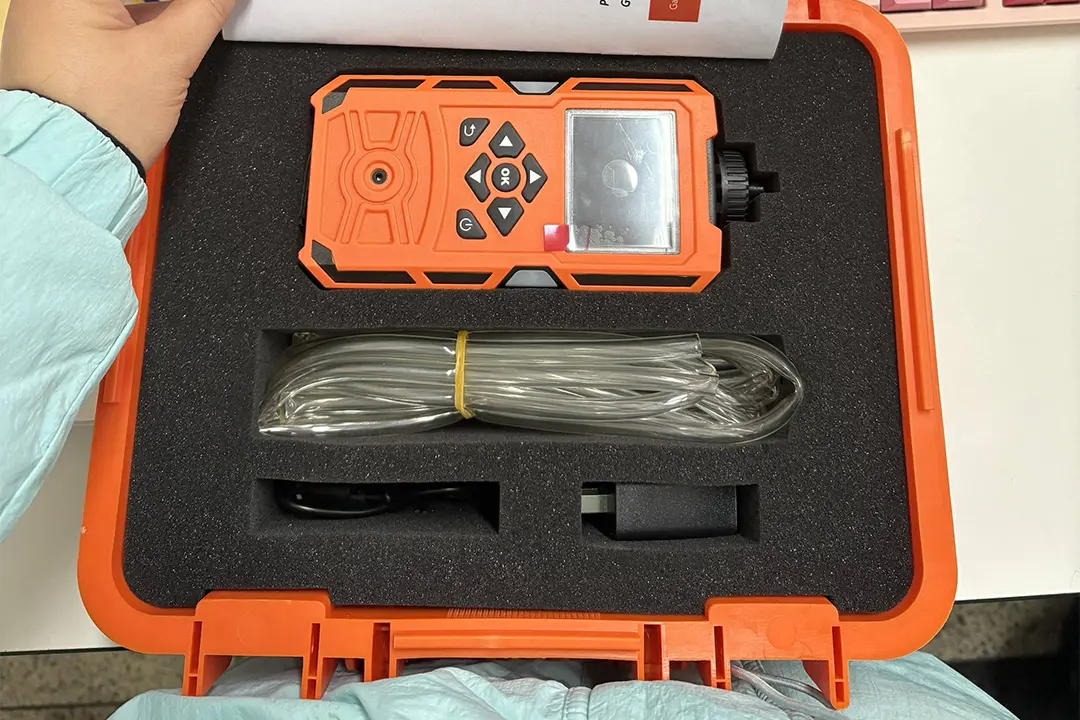
Illustrative values showing how a 4-in-1 portable detector reports combustible gas in %LEL, oxygen in %VOL and toxic gases in ppm. Alarm setpoints shown are common reference values; configure them to your local code.
Advanced Gas Detection
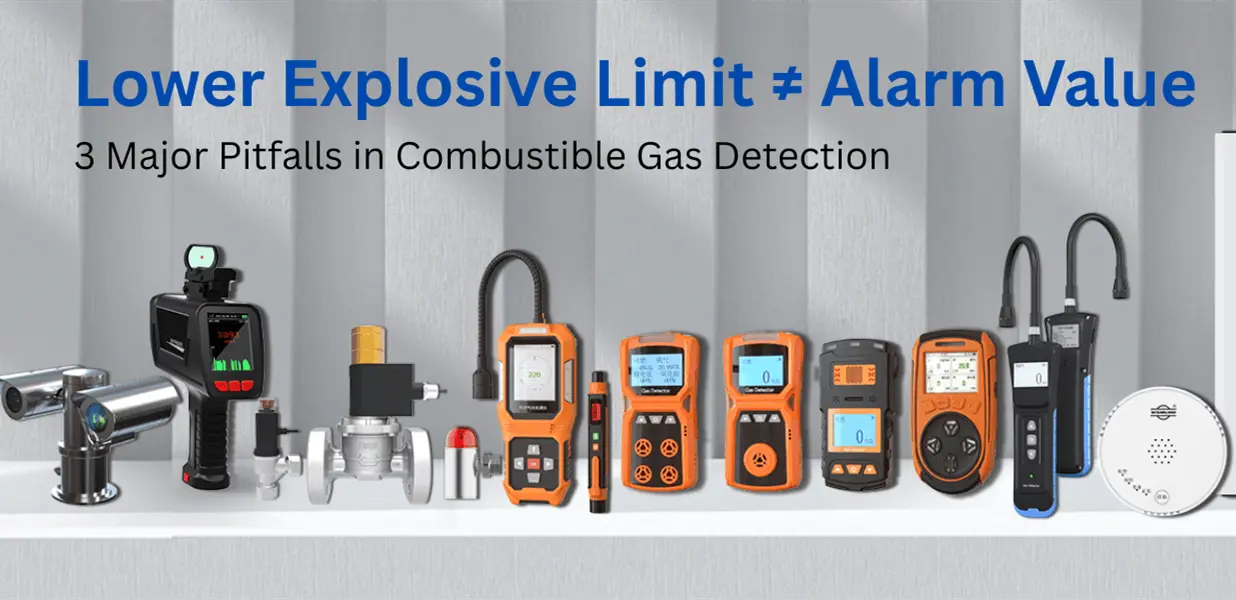
Gas Detection & Shut-off Product Portfolio
Five interoperable product lines — detectors, controllers, portable instruments and valves — engineered to work as one system. Hover a card for a technical quick-view, tick “Compare” to shortlist up to three models.
Need a specific target gas, measuring range, output signal or private-label housing? Our engineers configure detectors and valves to your market's codes and installation practice.
Engineering Authority Built on 18+ Years of Gas-Detection R&D
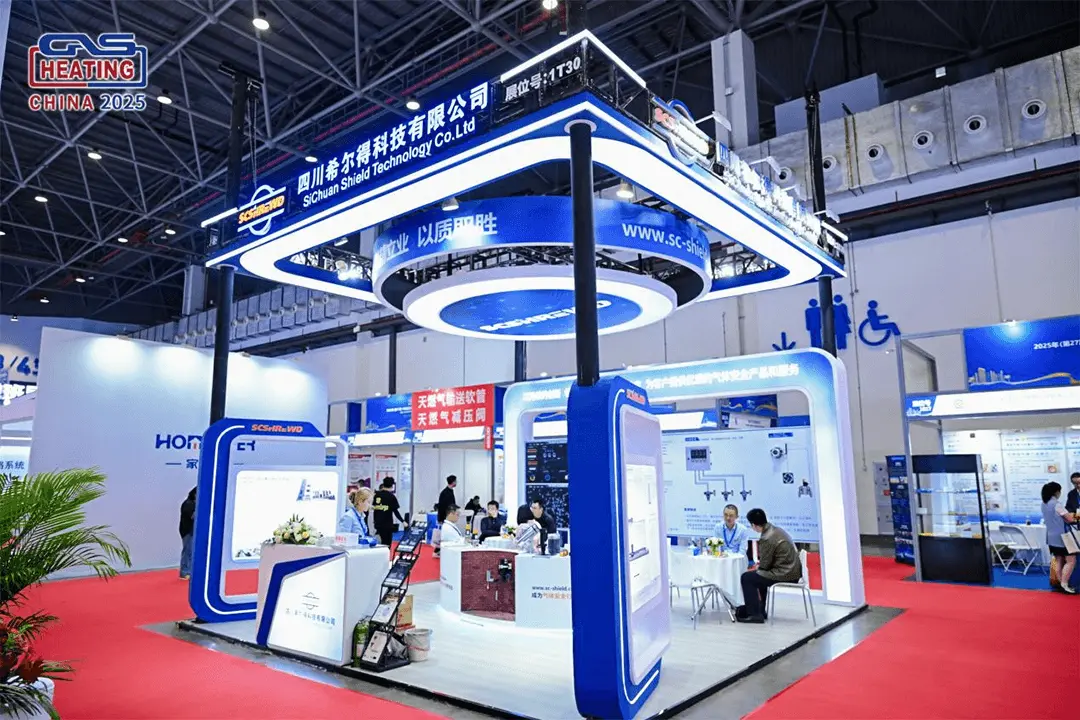
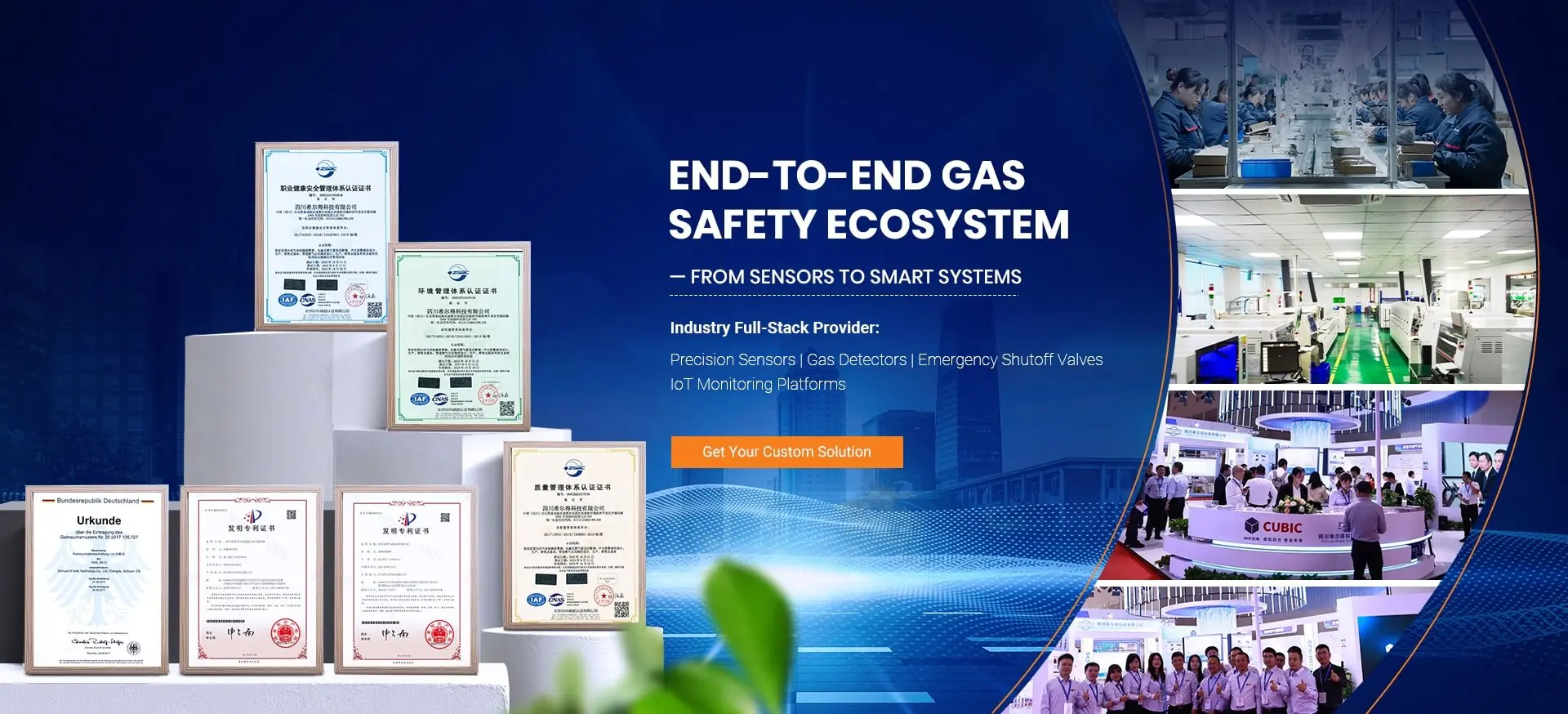
Sichuan Shield Technology Co., Ltd. is a high-tech enterprise integrating R&D, production, sales and service of gas detection and alarm equipment, industrial instrumentation, valves, explosion-proof electrical products, intelligent IoT devices and gas sensors.
Because detector, controller and valve are developed under one roof, signal compatibility, alarm logic and shut-off response are validated as a system — not left to the installer to integrate. Our technology-accumulation model supports more than 80 marketable models and fast, low-risk OEM/ODM derivatives.
Most domestic gas incidents start with a loose hose, unlit burner or incomplete combustion. A detector that both alarms and closes the supply removes the reliance on occupants reacting in time.
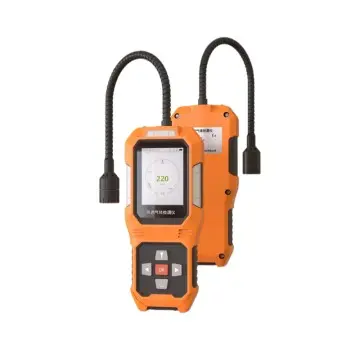
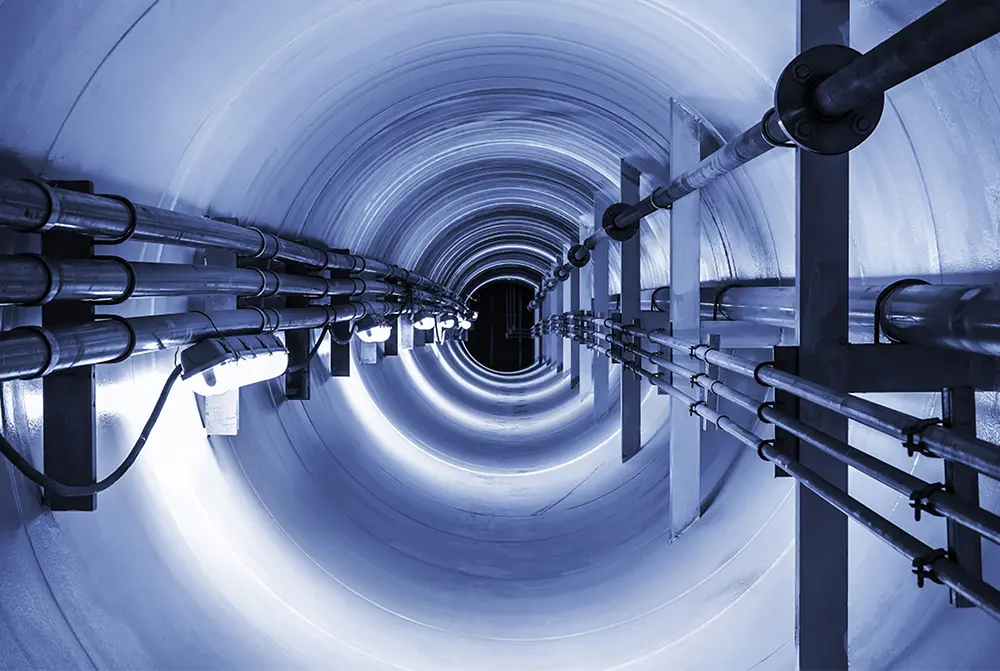
Utility tunnels, valve chambers and buried mains accumulate gas out of sight. Survey-then-pinpoint workflows with diffusion-type portables shorten the time from leak report to repair.
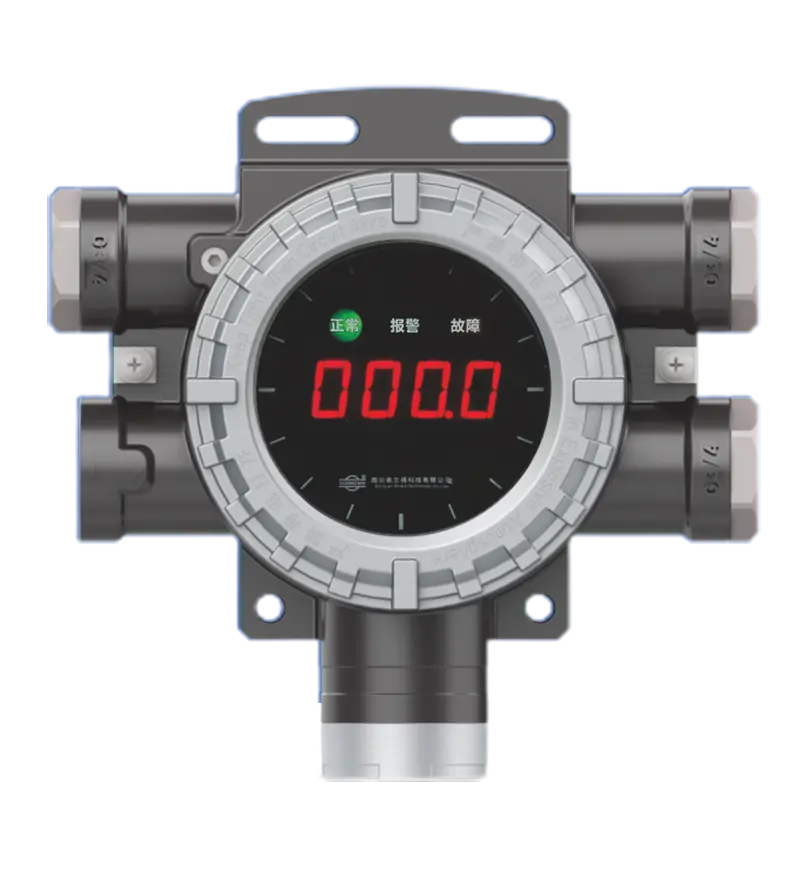
Regulator stations, metering rooms and public buildings need continuous, supervised monitoring with clear fault reporting so maintenance teams know a channel is healthy, not just silent.
Layered protection: fixed point detectors for area coverage, a controller in the non-hazardous control room, and personal multi-gas monitors for workers entering confined spaces.
Restaurants, hotels, boiler rooms and workshops need fast, self-contained protection. Stand-alone detectors with direct valve and fan linkage keep installation simple and costs predictable.
A US customer asked whether a pump-suction oxygen detector could read in ppm. Here is why purge-gas and oxygen-deficiency checks are specified in volume percent.
Q01Is the Lower Explosive Limit (LEL) the same as the alarm setpoint?
No. The LEL is the lowest concentration at which a gas can ignite — for methane about 5% by volume, shown as 100% LEL on the detector. Alarm setpoints sit well below it, typically at or below 25% LEL for the first-level alarm, as required by the code governing your project.
Q02Where should a household combustible gas detector be installed?
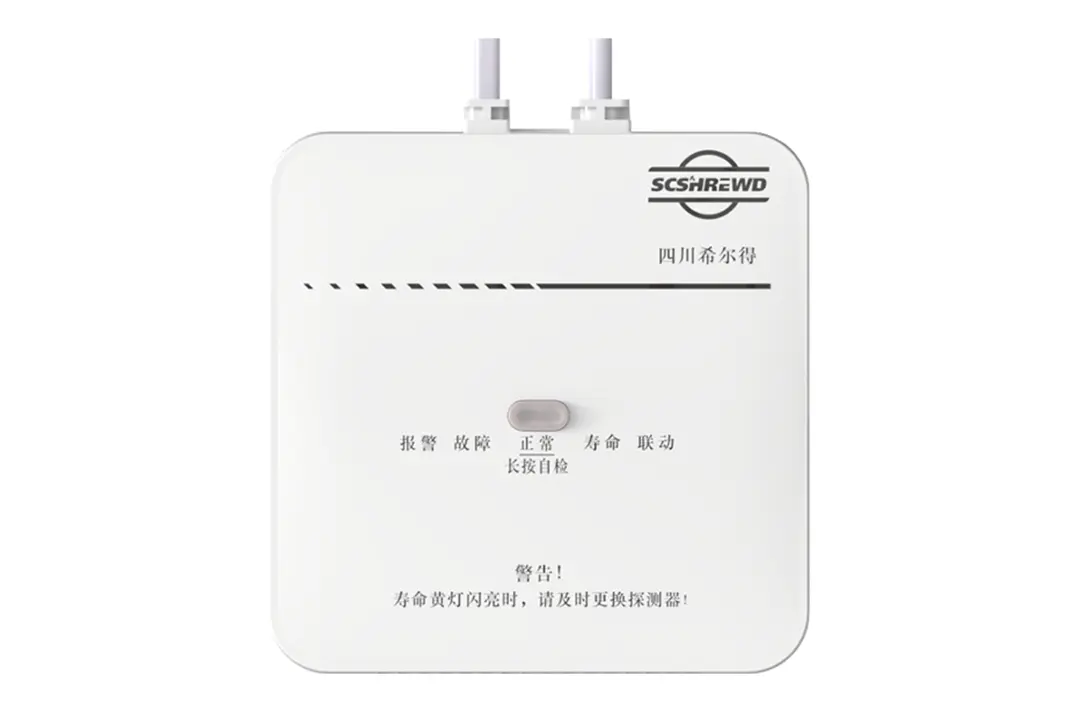
Follow gas density. Natural gas (methane) is lighter than air — mount high, near the ceiling. LPG is heavier than air — mount low, near the floor. Keep the detector within a few metres of the appliance and away from hoods, steam and direct drafts.
Q03Why do oxygen detectors read in %VOL instead of ppm?
Normal air contains about 20.9% oxygen by volume. Deficiency and enrichment are therefore tracked as volume percentages, with common reference alarms at 19.5% VOL (deficiency) and 23.5% VOL (enrichment) — far easier to read than six-digit ppm values.
Q04Can a Shield detector shut off the gas supply automatically?
Yes. Household detectors drive a solenoid valve at the alarm setpoint, and the JYFJS-011 emergency shut-off valve accepts signals from gas alarm systems, fire panels and smart terminals. It must be reopened manually, so gas cannot return before the cause is fixed.
Q05Stand-alone or bus-type point detector — which should I specify?
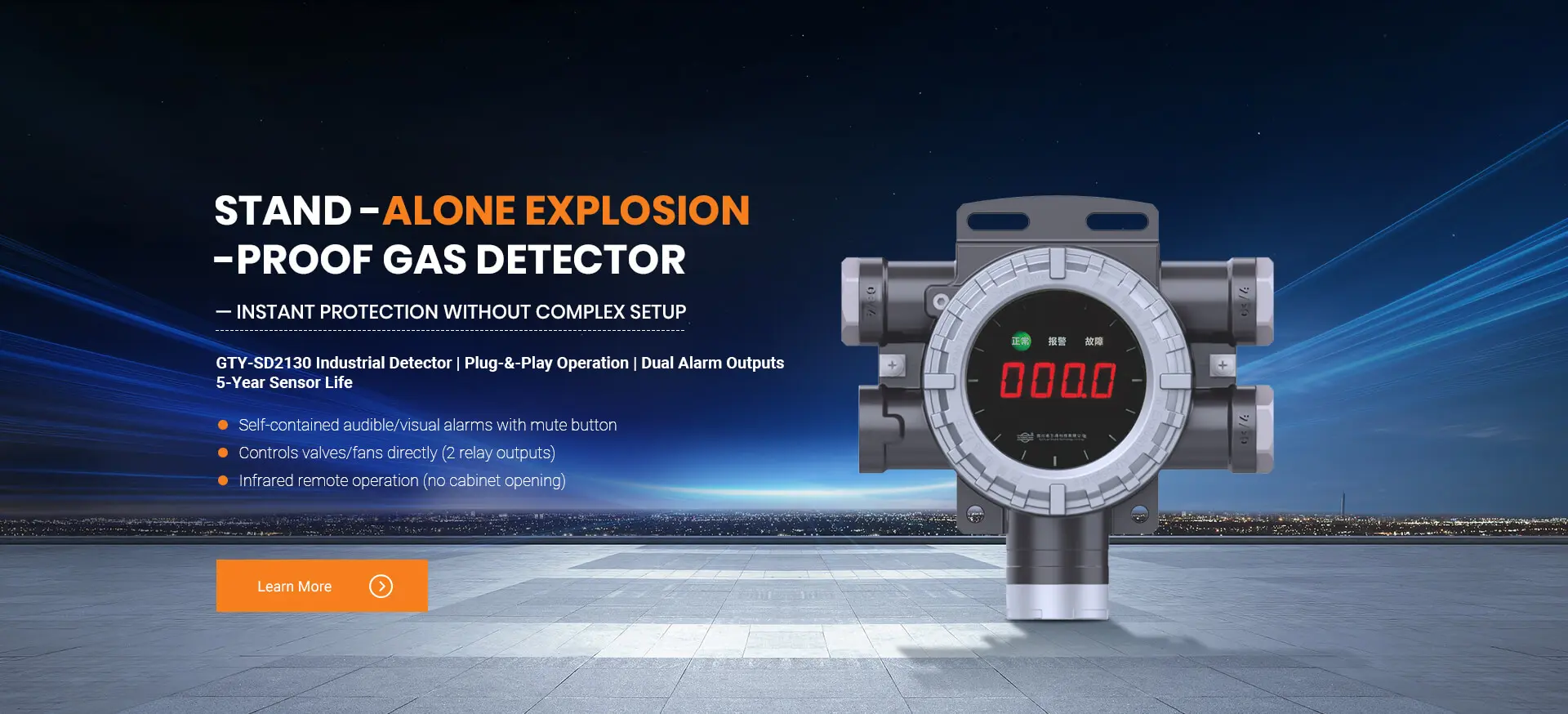
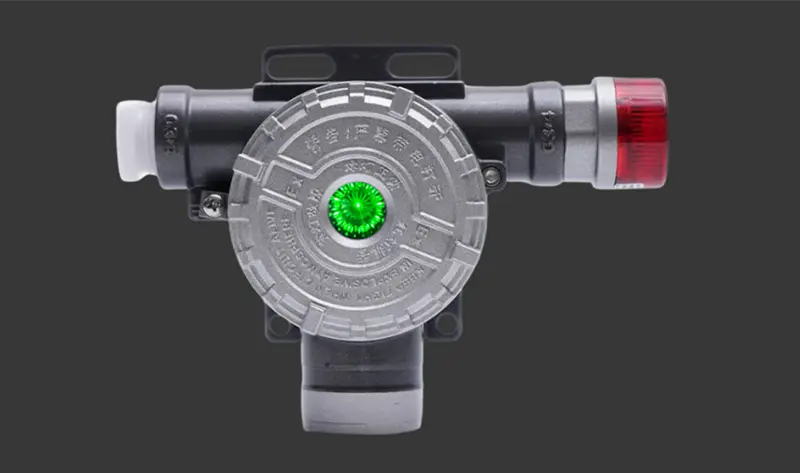
Choose a stand-alone SD2130 for single zones that need local alarm and direct valve or fan linkage. Choose bus/branch-line SD2100A or SD2100E detectors with an SD8001A/B controller in a non-hazardous control room when you need centralized multi-point supervision and fault reporting.
Q06Do you support OEM and ODM programs?
Yes. With 80+ marketable models and in-house R&D, we support private labelling, housing and packaging customization and configuration changes for distributors and brand owners. Request the catalog