
How to Choose the Best Industrial Gas Detector

Time:2026-10-30 Author:Sienna
0%

Choosing an industrial gas detector is a safety decision, not a simple product comparison. The right instrument depends on the gases present, their likely concentrations, and the conditions where workers use it. A detector suitable for a fixed compressor room may not fit a technician entering a tank or inspecting a pipe outdoors. Small details matter: sensor range, alarm visibility in bright light, and whether gloves make the controls difficult to use.

The International Labour Organization’s 2023 estimates report nearly 2.93 million work-related deaths each year worldwide. This figure covers many causes and is not specific to gas exposure. Still, it highlights why hazard assessment and dependable monitoring deserve careful attention. OSHA’s permit-required confined-space standard calls for atmospheric testing for oxygen, flammable gases or vapors, and toxic contaminants, where applicable. NIOSH’s Pocket Guide to Chemical Hazards also provides exposure and flammability information that can help teams identify relevant risks. These references inform selection; they do not replace a site-specific assessment.

How To Choose An Industrial Gas Detector starts with a clear inventory of credible hazards, not a favorite brand. Compare fixed and portable designs, sensor technologies, alarm settings, operating temperature, ingress protection, calibration needs, and maintenance support. Check whether the instrument can detect the target gas at the required range; sensors are not universal. Then consider how people will respond to its alarms, including in noisy areas or during shift handovers. That sounds straightforward. It often isn’t. A detector can meet specifications on paper yet fail to suit daily work. The best choice is one workers can understand, maintain, and use consistently.
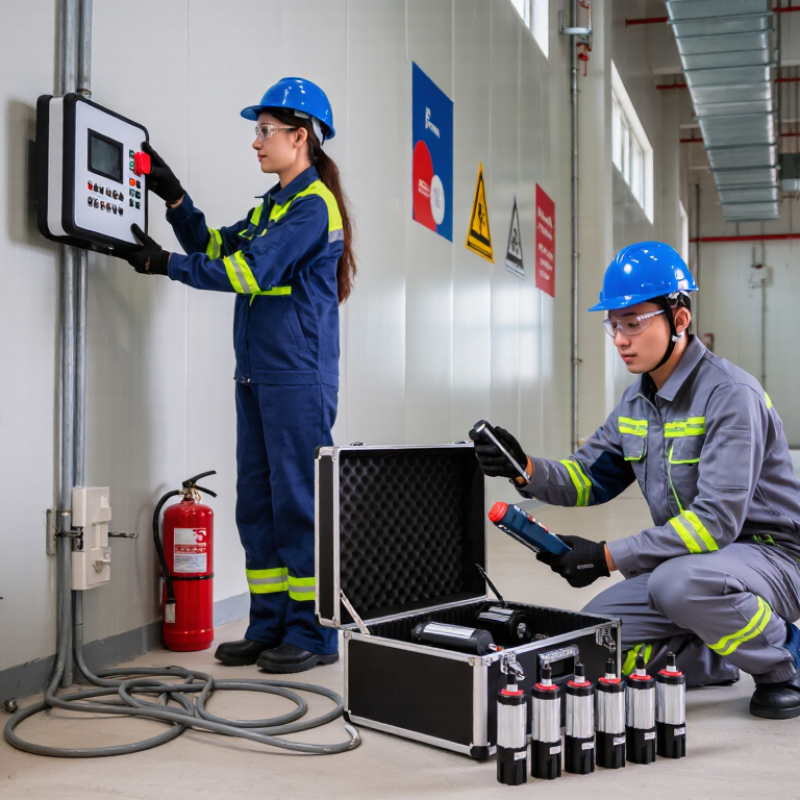
How to Choose the Best Industrial Gas Detector

Understanding Industrial Gas Detector Types and Operating Principles

Industrial gas detectors work in different ways, so the gas, environment, and response time matter. Catalytic-bead sensors detect combustible gases through heat released during oxidation. They need oxygen and can be impaired by silicone or sulfur compounds. Infrared sensors measure gas absorption at selected wavelengths; they do not need oxygen, but standard models cannot detect hydrogen. Electrochemical cells are commonly used for toxic gases such as carbon monoxide. Photoionization detectors (PIDs) respond to many volatile organic compounds, but do not identify each compound on their own. Small detail. Big consequence.

The ILO’s 2023 global estimates report 2.93 million work-related deaths annually. This figure is not specific to gas incidents, but it shows why dependable hazard monitoring matters. Match the sensing principle to the likely gas, expected concentration, temperature, and humidity. A PID may be useful near solvent handling, while an electrochemical sensor may suit a carbon-monoxide risk. Check detection range and cross-sensitivity, then verify performance with the correct calibration gas. In practice, one uncomfortable limitation is easy to overlook: a detector can be functioning and still be wrong for the gas present. That deserves more attention than a neat specification sheet.

Identifying Gas Hazards and Monitoring Requirements

Choosing the best industrial gas detector begins with identifying what could escape, where it could collect, and who might be exposed. Review process materials, safety data sheets, and maintenance records. Common hazards include methane near fuel lines, hydrogen sulfide around wastewater equipment, and oxygen depletion in enclosed spaces. Small leaks matter. A gas that rises may need high-level monitoring, while heavier vapors can pool near floors, drains, or pits. Airflow, heat, dust, and humidity can change how a hazard behaves.

Set the measurement range and alarm thresholds to match the risk, not just the equipment catalog. Toxic gases often require readings in parts per million; combustible-gas monitoring may use a percentage of the lower explosive limit. Oxygen monitoring may be needed where displacement is possible. A walk-through with operators can reveal overlooked sources, though a walk-through alone is not enough. Check whether workers need personal monitors, fixed area coverage, or both, and consider response time, sensor cross-sensitivity, and calibration access. A detector in a convenient spot may still miss a leak behind a machine. I may be cautious here, but placement assumptions deserve testing with site measurements and periodic review.

Comparing Detection Technologies for Industrial Applications

Choosing a detector starts with the gas, not the sensor price. Catalytic-bead sensors suit many flammable gases, but need oxygen and can be poisoned by silicones or sulfur compounds. Infrared sensors work in oxygen-poor spaces and resist poisoning, yet they do not detect hydrogen. Electrochemical cells target toxic gases such as carbon monoxide, though humidity and cross-sensitivity can affect readings. Fit matters. A display showing “safe” is useful only if the sensor responds to the actual hazard.

For volatile organic compounds, photoionization detectors offer fast screening, but response varies by compound; they do not measure every gas equally. Open-path infrared systems can cover long perimeters, while point detectors give readings at specific leak-prone locations. The IEA’s Global Methane Tracker 2024 estimates fossil-fuel operations emitted nearly 120 million tonnes of methane in 2023, underscoring the value of suitable leak monitoring. Still, more coverage is not automatically better. Place sensors near likely release points, account for airflow and maintenance access, then verify performance with calibration gas. This part is easy to underestimate. Real sites change: fans move, doors stay open, and dust builds up. Selection should be reviewed against those conditions, not just a clean specification sheet.

How to Choose the Best Industrial Gas Detector

Comparing typical response-time ranges (T90) across common detection technologies. Actual performance varies by detector model, target gas, and operating conditions.

Selection tip: Match the sensing principle to the target gas and site conditions. Catalytic sensors are commonly used for combustible gases; infrared sensors detect many combustible gases without relying on oxygen; electrochemical sensors are widely used for toxic gases; and PID sensors detect many volatile organic compounds but do not identify each compound individually.

Evaluating Performance, Safety Certifications, and Operating Conditions

Industrial gas detectors should be selected for the actual hazard, not a broad “gas detection” label. Check the target gas, measurement range, alarm set points, and response time. A detector that reacts quickly in a clean test may respond more slowly behind a guard or in a stagnant corner.

Sensor technology matters too: catalytic sensors need oxygen, while infrared models do not detect every combustible gas. Check for cross-sensitivity to solvents or cleaning chemicals used nearby.

Certifications are not interchangeable. Confirm that the exact detector configuration is approved for the site’s hazardous-area classification and required safety function; approval for a related model may not apply.

Review calibration intervals, proof-test requirements, and fault behavior in the manual. Compare operating limits with real conditions: temperature swings, humidity, dust, vibration, washdown, and corrosive vapors. IP ratings indicate ingress protection, not resistance to every chemical.

Field readings can differ. Keep commissioning and bump-test records, and have a qualified safety professional verify placement and alarm logic before operation. Even careful selection can miss a site-specific interaction.

Planning Detector Installation, Calibration, and Maintenance

How to Choose the Best Industrial Gas Detector

Planning Detector Installation, Calibration, and Maintenance

A detector is only useful when it can sense gas where workers may encounter it. Map likely leak points, airflow, ventilation outlets, and worker breathing zones before choosing sensor locations. Consider gas density, temperature, humidity, and possible obstructions. A sensor behind a beam may miss a changing plume. This detail is easy to overlook. The U.S. Chemical Safety Board’s investigation of the 2014 La Porte release documented four worker deaths, underscoring why detection, alarms, and response procedures must work together.

Build calibration into the installation plan, not as an occasional repair task. OSHA’s 2013 guidance for direct-reading portable gas monitors recommends a bump test or calibration check before each day’s use, following the instrument maker’s instructions. If a monitor fails, it should receive a full calibration before use. Keep dated records of tests, repairs, sensor replacements, and alarm checks. These logs can reveal recurring drift or a sensor that fails sooner than expected. They also make handovers clearer.

Tips: Test alarms in the field, verify readings with suitable test gas, and keep access clear around sensors. Assign a named person to review logs. Don’t assume a green status light means the whole system is ready. Regularly revisit detector placement when equipment, ventilation, or processes change.

FAQS

How do I choose a gas detector type?

Match the sensor to the likely gas and site conditions. Catalytic-bead sensors detect combustible gases but need oxygen. Infrared sensors do not, though standard models cannot detect hydrogen. Electrochemical cells often monitor toxic gases. PIDs detect many volatile compounds but cannot identify each one. Small detail. Big consequence.

What site information should I check before choosing a detector?

Review process materials, safety data sheets, and maintenance records. Note possible leaks, worker locations, airflow, heat, dust, and humidity. A short site walk helps, but it cannot reveal everything.

Where should detectors be placed?

Consider gas density, airflow, leak points, and workers’ breathing zones. Rising gases may need higher-level monitoring; heavier vapors can collect near floors, drains, or pits. A beam or machine may block a gas plume. Test placement assumptions.

Should I use personal monitors, fixed detectors, or both?

The answer depends on worker movement and the areas needing coverage. Personal monitors travel with workers; fixed detectors watch selected locations. Some sites may need both. Convenience alone is not enough.

How should I set measurement ranges and alarm thresholds?

Base them on the hazard and expected concentration, not just a catalog. Toxic gases may need parts-per-million readings; combustible-gas monitoring may use a percentage of the lower explosive limit. Oxygen monitoring can help where displacement is possible.

Can a detector give a misleading reading?

Yes. Cross-sensitivity, unsuitable sensor types, or poor placement can affect readings. Silicone or sulfur compounds may impair catalytic-bead sensors. A detector can work correctly yet still be wrong for the gas present.

How often should portable monitors be checked?

Follow the instrument instructions and your site procedures. The article cites guidance recommending a bump test or calibration check before each day’s use. If a monitor fails, it should receive full calibration before use. Don’t skip the check.

What maintenance records should I keep?

Record dated tests, repairs, sensor replacements, and alarm checks. Assign someone to review the logs. Patterns can reveal drift or repeated failures, though records alone cannot prove every detector is ready. A green light is not the whole story.

When should detector placement be reviewed?

Recheck it when equipment, ventilation, or processes change. Keep sensor access clear, and test alarms in the field with suitable test gas. Small changes can matter. I still find that easy to underestimate.

Conclusion

Choosing the right industrial gas detector begins with understanding how different detector types work and which gases they can identify. Assess the hazards in each work area, including the gases that may be present, where leaks could occur, and whether monitoring must be continuous or portable. Comparing detection technologies helps match a detector’s response, measurement range, and suitability to the specific application.

How To Choose An Industrial Gas Detector also involves checking accuracy, response time, safety certifications, and performance under site conditions such as temperature, humidity, dust, or vibration. Consider where and how the detector will be installed, how often it needs calibration, and what maintenance it requires. A well-planned selection and upkeep process can support dependable monitoring, help alert workers to potential hazards, and fit the practical needs of the facility.

Sienna

Sienna

Sienna is a skilled marketing professional with a deep expertise in our company’s core products and services. With a passion for innovation and detail, she plays a pivotal role in crafting insightful blog posts that not only highlight the unique features of our offerings but also provide valuable......
Compare 0/3
Get Comparison Datasheets